
CIMC Vehicles posted steady revenue growth in the first half of 2026, with the launch of the “Starry Sky” initiative underscoring its resilience.
Release Time:
2026-08-25
Source:
Author:
On August 25, CIMC Vehicles (301039.SZ) held its 2026 interim results briefing. In the first half of 2026, the company maintained steady progress, posting revenue of RMB 10.737 billion, up 10.09% year over year, and gross profit of RMB 1.551 billion, while accelerating its transformation into a “full‑value‑chain operator.” As of June 30, 2026, the company’s net cash flow from operating activities reached RMB 778 million.
2026 marks the inaugural year of the “Starry Sky Initiative.” Unlike the Starlink Program, which has already addressed the challenges of structural reorganization within production and breakthroughs against internal competition, the Starry Sky Initiative represents a bold leap forward, positioning the company as a unique end-to-end value-chain operator. Building on the spirit of structural reform in production‑oriented organizations pioneered by the Starlink Program, CIMC Vehicles has completed organizational optimization under the “Starry Sky LTP Segment,” enabling unified allocation of group‑wide operational and management resources. At the same time, the new‑type productivity and marketing capabilities achieved through the Starlink Program have been extended across additional product lines and regions, driving steady yet quality‑enhanced business performance. Domestic market revenue grew 13.57% year over year, revenue in the Global South expanded 34.08%, and the European market posted a 5.83% increase, further underscoring the resilience of the company’s global operations.

Global semi-trailer business revenue increased by 9.79%, while revenue in the Global South market surged by 34.08%.
In the first half of 2026, CIMC Vehicles produced and manufactured approximately 62,900 units of various types of semi-trailers. During this period, the global semi-trailer business generated operating revenue of RMB 7.602 billion and contributed a gross profit of RMB 1.042 billion. Specifically:
Starlink Semi-Trailer (China Market + Global South Markets): A total of 44,481 units were produced and manufactured. The annual model consistently accounts for approximately 40% of Starlink’s overall semi-trailer sales. Amid intense domestic market competition, Starlink has maintained the No. 1 market share in China for seven consecutive years, with its fundamentals steadily strengthening. The company has established localized operations in Indonesia and Tanzania, continued to deepen its presence in Southeast Asia, Africa, and Australia, and actively explored emerging growth markets in Central Asia. As a result, Starlink’s overseas revenue and sales have posted substantial year-over-year growth.
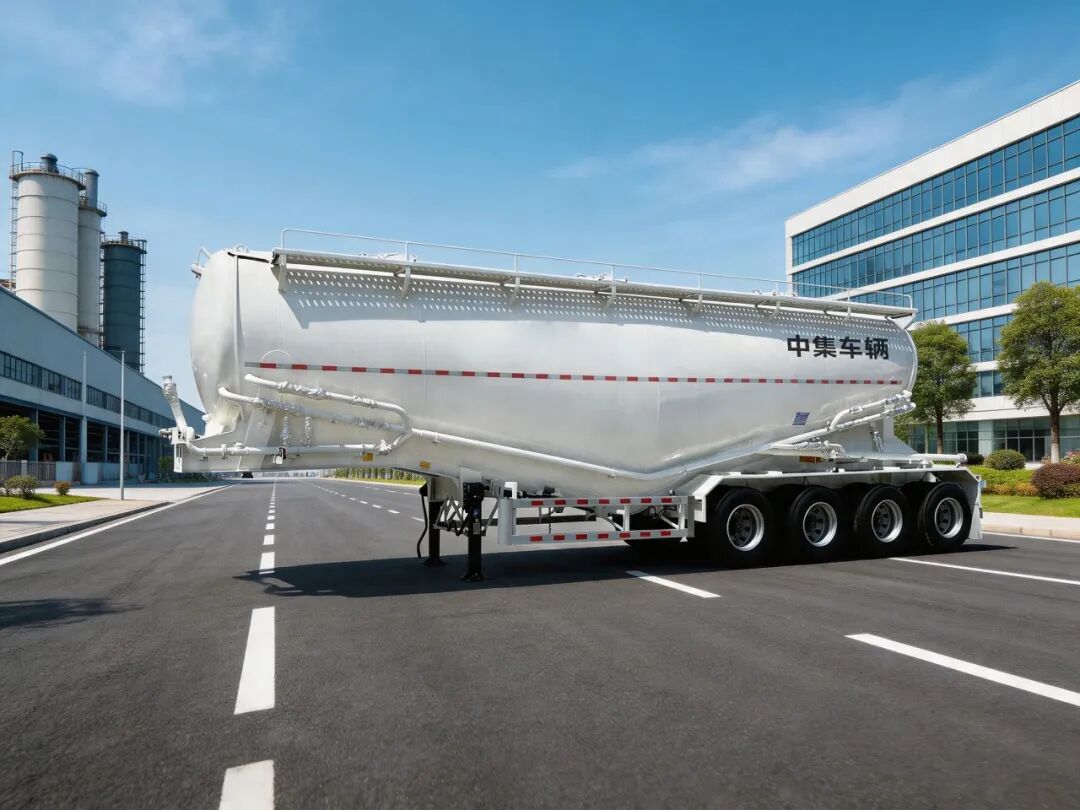
Starlink tanker truck· Powder tanker trucks (China market + Global South markets) : A total of 7,891 units have been produced and manufactured. CIMC Vehicles has fully integrated its powder tanker business into the Xingchen Program for unified management, achieving integrated, coordinated operations across both liquid tanker and powder tanker segments. Production efficiency has improved markedly, with monthly output of Xinglian liquid tankers up 20% compared to the highest‑producing month in 2025, and the pace of capacity ramp-up continuing to accelerate. Leveraging its strengths in product offerings, technology, and production capacity, Xinglian liquid and powder tankers are steadily widening their competitive lead over industry leaders, further solidifying their position as market frontrunners. Deeply anchored in the growth opportunities of global Southern markets, Xinglian continues to align with the company’s localization strategy, cultivating key regions such as Southeast Asia, Africa, and Australia, thereby driving steady expansion of its overseas performance.
European Semi-Trailer Business: The company produced and manufactured 3,530 units of SDC semi‑trailers and LAG tank trucks for the European market, up approximately 7.3% from 3,289 units in the same period of 2025. Both companies have continued to implement measures such as optimizing production facilities, improving the supply chain, and streamlining product platforms, building capacity to support market recovery and enhance operational quality. Moving forward, the company will remain committed to a strategy centered on operating efficiency and cash returns, translating sales growth into higher revenue and profit expansion.
North American Semi-Trailer Business: In the first half of 2026, Vanguard GT Holding will produce and manufacture 6,988 units of various semi‑trailers for the North American market. The van‑type semi‑trailer business will continue to maintain its core customer base and distribution network; the refrigerated semi‑trailer segment will focus on enhancing product quality, local manufacturing, and delivery capabilities; and the container chassis business will further manage inventory levels and operational risks in line with market demand. Meanwhile, the aftermarket parts and services division, supported by a substantial installed base, will provide a degree of counter‑cyclical resilience to the North American operations.
Steady growth in DTB upper-body sales and revenue has expanded the structural reforms of EV-DTB’s production organization.
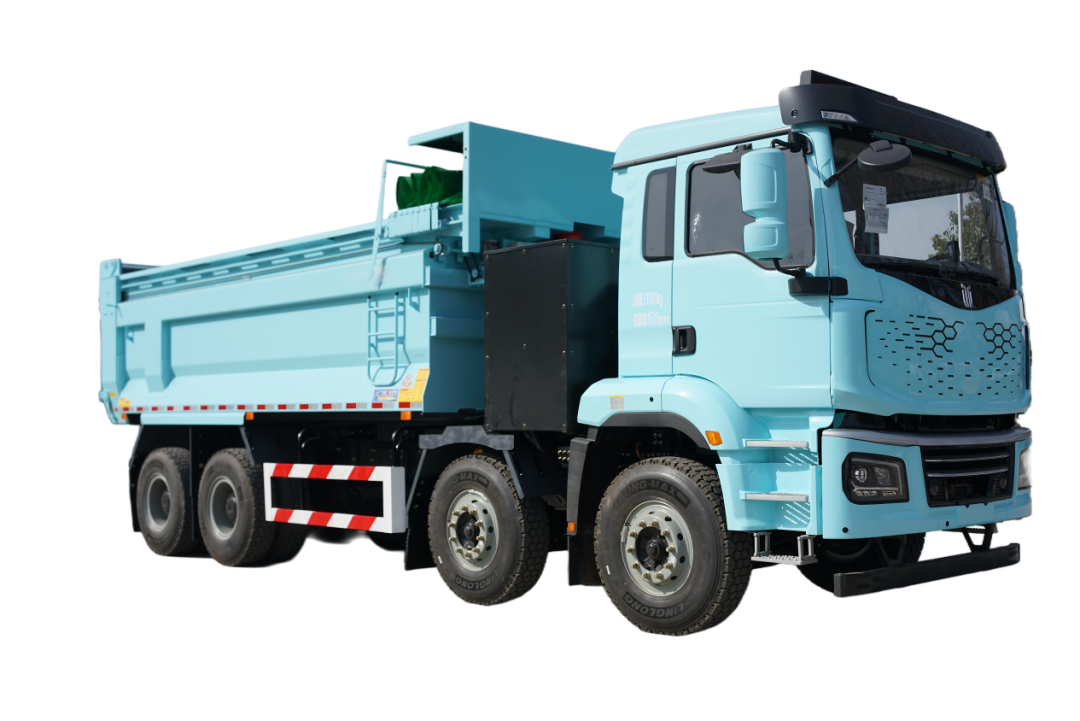
In the first half of 2026, CIMC Vehicles’ DTB superstructure products totaled 13,238 units produced and manufactured, with sales and revenue posting steady growth and the market share of its core products further expanding. Meanwhile, drawing on the successful experience of the Starlink program, CIMC Vehicles has begun to proactively advance structural reforms in its DTB production organization, resulting in steadily improving operating profits.
The company continues to proactively expand R&D and sales of new‑energy products, deepening collaboration with OEMs across the entire value chain—product development, manufacturing, and sales. Sales of DTB products (known as EV‑DTB superstructures) tailored for new‑energy heavy‑duty trucks have grown significantly, with deliveries of EV‑DTB dump‑truck superstructures and EV‑DTB concrete‑mixer superstructures continuing to rise. CIMC Vehicles has undertaken a structural reform to scale up EV‑DTB production, consolidating capacity at its Luoyang and Wuhu facilities and integrating order management, production planning, and delivery processes into the newly established CIMC Vehicles DTB Concrete Mixer Business Group. By the first half of 2026, operational performance had already improved markedly.
EV-RT’s new track is bursting with momentum: the “EV-RT Xinghuo” all-electric cement mixer has entered mass production.
CIMC Vehicles remains steadfast in its pursuit of the EV‑RT vision. Building on the global debut of the EV‑RT engineering‑grade head‑haul train in November 2025, the company will transition from “prototype unveiling” to “product validation and capability deployment” in the first half of 2026, achieving substantial progress across the EV‑RT ecosystem—on the technology front, in implementation, and in market adoption.
First, the engineering‑type EV‑RT head‑trailer train has successfully completed its test and validation, with all key technical performance indicators fully met. The company has conducted reliability and performance tests on the engineering‑type EV‑RT head‑trailer train—whose prototype was unveiled at the Wuhan Auto Show—achieving the design objectives of “greater power, enhanced safety, and lower energy consumption”: it demonstrates a full‑load gradeability of over 30%; its braking distance is more than 20% shorter than the national standard requirement; and its overall energy consumption is significantly lower than that of a conventional combination of an electric tractor and a non‑electric trailer. Moreover, the integrated coordinated control system for the head‑trailer unit and the optimized energy‑recovery system have delivered substantial performance gains.
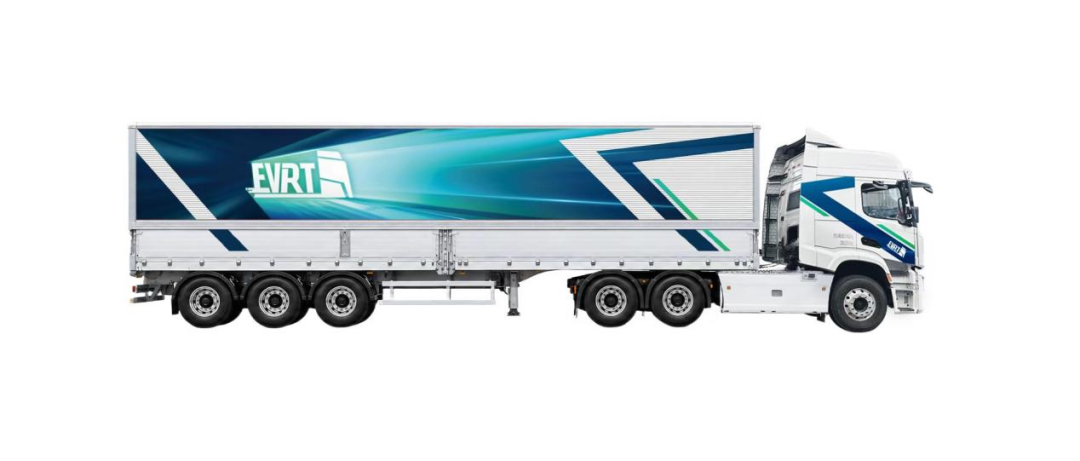
Second, the logistics‑oriented EV‑RT head‑hauled train platform and its prototype have been successfully developed, extending the product portfolio from engineering‑focused to logistics‑oriented applications. Third, the “EV‑RT Starlink” head‑hauled train has achieved large‑scale commercial sales, with integrated head‑haul technology being deployed ahead of schedule.
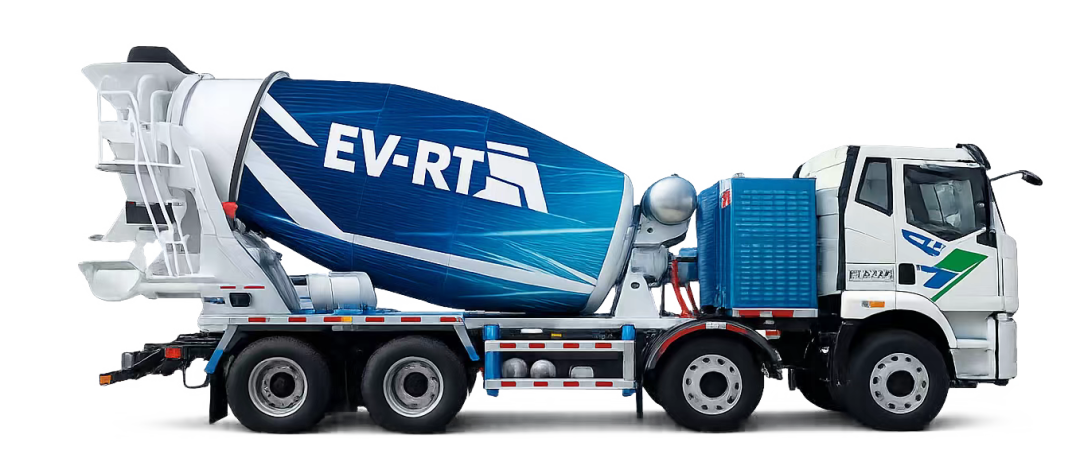
Fourth, the all‑electric EV‑RT Xinghuo concrete mixer has entered mass production. Leveraging its technological expertise and lightweight‑design advantages in the specialized vehicle superstructure segment, and collaborating with chassis partners to harness their electric‑vehicle platform capabilities, the company has established a full‑value‑chain operational model for the EV‑RT specialty vehicle. In the first half of 2026, sales of the EV‑RT Xinghuo all‑electric concrete mixer reached 1,482 units. Fifth, the world’s first EV‑RT Experience Center has been completed, bringing the ecosystem into the realm of “real‑world, immersive experiences.”
Guided by the “Starlight Initiative” strategy for the next 3–5 years, we will continue to strengthen and expand the company’s leading position as the global leader in the specialized vehicle sector.
In the face of a complex and ever‑changing global environment, intensifying industry competition, and evolving customer demographics, the company will continue to drive bold transformations, aiming for exceptional ROE and superior shareholder returns that withstand market cycles. Guided by the “Starry Sky Plan” for the next three to five years, and leveraging the new‑generation productivity and marketing capabilities already established under the Starlink Initiative, the company will further strengthen and expand its leading position as the global leader in the specialized vehicle sector.
First, intelligent manufacturing is gradually shifting from isolated, point‑by‑point initiatives toward comprehensive transformation. Second, we will continue to expand the boundaries of the “full value chain,” deepening partnerships within an ecosystem that fosters stronger collaborative relationships along the value chain. Third, we will establish a new “born‑global” development paradigm, extending our production capabilities, supply chains, and productivity‑oriented service systems from the domestic market to emerging markets in the Global South. Fourth, we will further invest in cold‑chain logistics and delivery applications, as well as in ready‑mix concrete logistics and urban construction‑waste‑transport scenarios, developing next‑generation all‑electric specialized vehicles. Fifth, leveraging the EV‑RT ecosystem, we will comprehensively build a “born‑global” full‑value‑chain operating model for EV‑RT all‑electric head‑trailer trains and EV‑RT all‑electric specialized vehicles. Sixth, we will deepen our presence in the European semi‑trailer industry by refining a regional multi‑brand governance framework, establishing a cross‑brand modular product R&D platform, upgrading localized smart manufacturing and resilient supply‑chain systems, and expanding lifecycle‑wide productivity‑oriented services, thereby creating a European semi‑trailer operating model that integrates R&D, manufacturing, supply, and maintenance into a seamless value loop. Seventh, focusing on the North American semi‑trailer business, we will advance the “Big White Bear Plan,” implement local manufacturing and multi‑category synergy, enhance quality and efficiency through digital lean operations, extend full‑lifecycle services, and rigorously manage supply‑chain and capital risks.
Related News

undefined
CIMC Vehicle (Jiangmen) Co., Ltd.
Tel: +86-750-6969888
Fax: +86-750-6969028
Add: No. 67, Xinao West Road, Daao Town, Xinhui District, Jiangmen, Guangdong, China


Powered by www.300.cn Jiangmen | SEO Tags | This site supports IPv6